How to schedule and plan with a frozen period in your Planning Horizon?

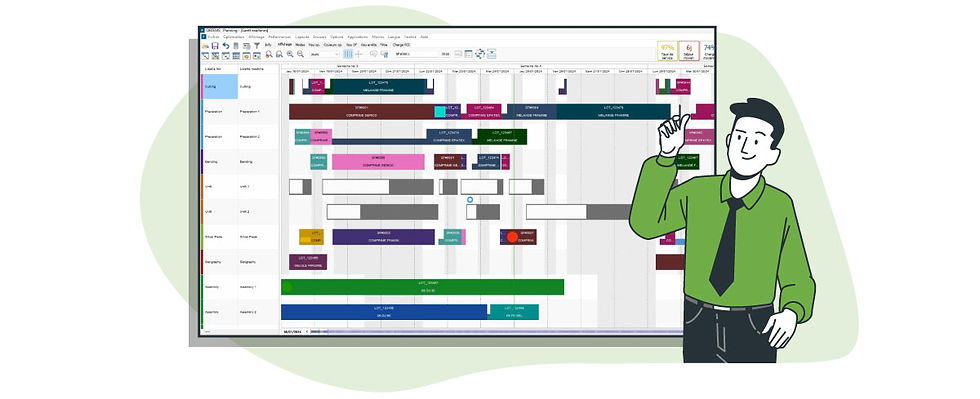
You are planning your production… but did you know that part of your schedule can (and should) remain frozen?
Production scheduling organises the sequence of operations, optimises resources, and prevents downtime. But by nature, it is dynamic: new data (orders, disruptions…) can modify it at any time.
This is why it is strategic to define a frozen period within your planning horizon: a timeframe where the schedule remains stable, without automatic reorganisation by the optimisation engine - preventing frequent disruptions that could degrade your service level.
DELMIA Ortems acts intelligently:
✔ Fills gaps within frozen periods without shifting ongoing operations
✔ Integrates new production orders at the end of the existing schedule
✔ Maintains full manual control: adjustments can be made at any time within the frozen period
Two modes available:
➡️ Static frozen period (e.g., fixed 7 days)
➡️ Dynamic frozen period (based on your business criteria)
What duration is most relevant for a frozen period in your industrial context? 24h? 72h? One week?


